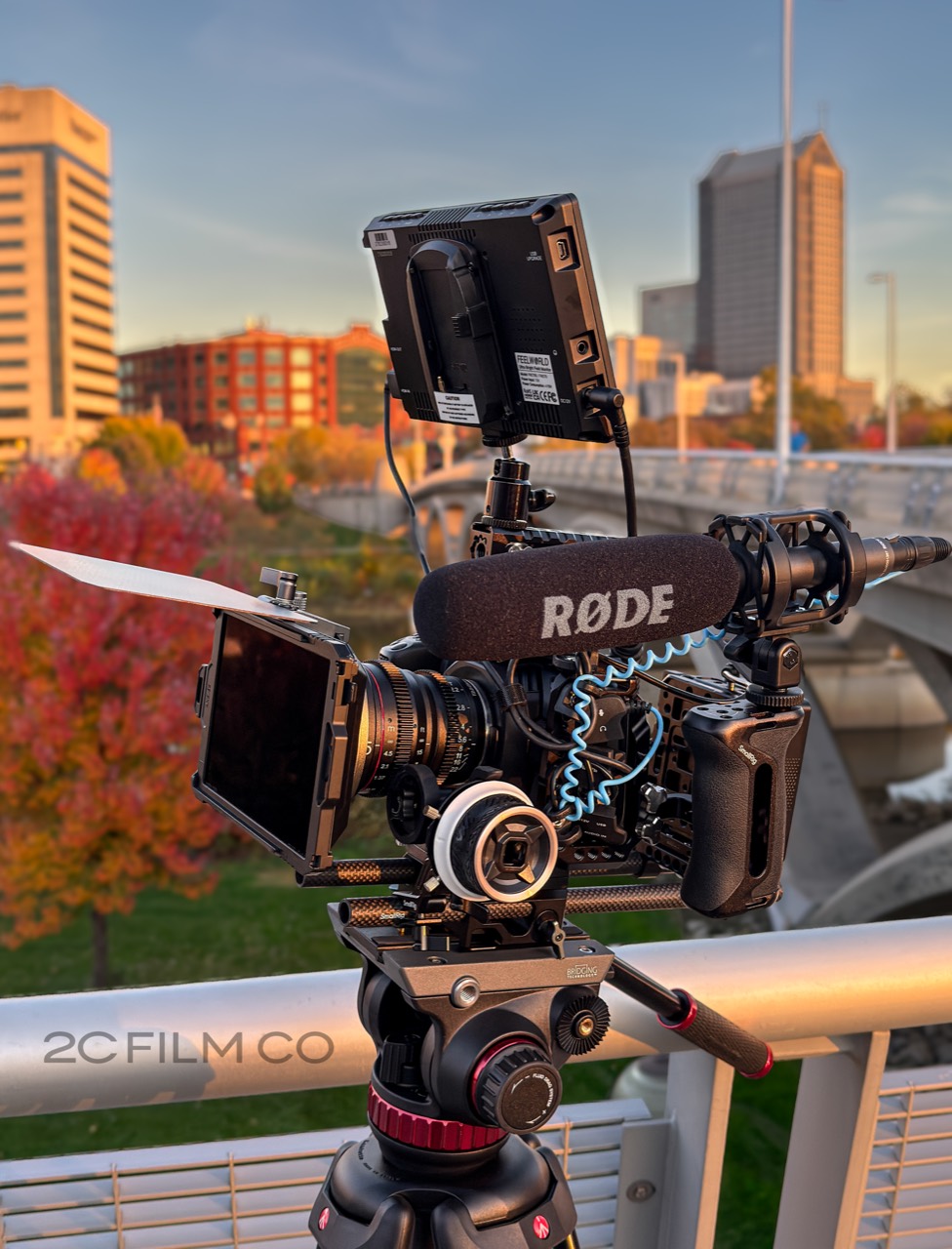
The cost of a business video comes from the work needed to plan, capture, edit and deliver it. The finished running time tells you only part of the story. A short film can involve several interviews, changing locations and multiple versions for different screens.
For a business in Columbus or Central Ohio, a useful quote should connect that work to a clear purpose. What needs to be filmed? What will you receive? What decisions and responsibilities are included? Those answers make the budget easier to understand and different proposals easier to compare.
Start with where the video will be used
A homepage brand film introduces a business. A social edit needs to communicate quickly on a smaller screen. An event recap brings people back into the experience. Each asks something different of the production.
Decide on the main use first, then identify the supporting pieces you need. That might mean one company film and selected vertical edits, or event coverage with interviews and photography. Agreeing on these uses early gives the shoot a direction and helps avoid paying for versions that have no clear job.
Our film and video services cover different production needs. The right starting point is the audience and the story you want them to understand.
People, places and access shape the shoot
An owner interview in a quiet room has different requirements from several interviews inside a working business. Every location brings decisions about sound, lighting, access and how much activity can continue around the camera.
The number of participants, location changes and moments that happen at the same time can affect the schedule and crew needed. An event with a fixed run of show also needs a different coverage plan from a controlled interview session.
Before requesting a quote, identify the people who need to appear, where filming can happen and any operating hours or access restrictions. Our business video preparation guide explains how to get those practical details ready.
Editing needs its own scope
The edit turns the recorded material into a finished story. Organizing footage, finding the strongest answers, shaping the pace, cleaning dialogue, balancing sound and finishing color all take attention.
Graphics, captions, music and additional versions introduce their own requirements. A vertical reel may need a different opening and framing from the main film. Confirm the intended channels and any licensing requirements, especially if the video will be used in paid advertising.
A proposal should also explain how feedback is handled, who approves the work and what happens if the direction changes after filming. Raw footage, project files and future re-edits should be discussed explicitly so everyone understands the handoff.
Two real projects, different production priorities
For AJ’s K9 Cuts, the production brought together an owner interview, the mobile grooming environment, the actual service, photography and social content. The story depended on showing the care behind the business as well as hearing the owner explain it. That is a useful example of how brand storytelling shapes the shot list and edit.
The Pickle Social Club × Columbus Hotshots grand opening in Hilliard had a different rhythm. Gameplay, interviews, the venue and candid interactions unfolded during a live event. Planning for the hero film, reels, photographs and supporting footage helped the coverage serve both organizations.
These projects show why a quote needs to reflect what must be captured and delivered. An interview-led business story and live event coverage can require different decisions even when both produce a short finished film.
Compare quotes against the same brief
For production, ask which planning work, filming locations, participants and coverage hours are included. If important moments overlap, confirm how they will be covered. Check whether travel, access arrangements or location costs need a separate allowance.
For delivery, ask for the intended films, approximate lengths, screen formats, captions and photography selections to be listed. Clarify music usage, review responsibilities and the expected handoff. A lower total may describe a smaller assignment; a detailed scope helps you decide whether that assignment meets your needs.
For changes, ask how additional filming, new versions and requests outside the original plan would be handled. Agreeing on that process before production makes it easier to make informed choices later.
Make the budget work around a clear priority
If the budget is limited, choose the most important finished piece first. A focused interview, practical location plan and a defined set of supporting edits can create a more manageable assignment. Discuss which additional pieces can be made from the same coverage and which would require more filming.
A useful starting brief can be short: your business, intended audience, what the video should explain, where filming would happen, who needs to appear, any fixed dates and where the finished content will be used. Include a budget range if you have one so the production can be planned around it.
Start a conversation with 2C Film Co. Share what you want to create, and we can work through the scope with you.